Why Is Everyone Talking About Turmeric Benefits for Skin?
Have you looked in the mirror and wondered why your skin tone looks dull despite trying a wide range of products to achieve healthy and beautiful skin? Or have you experienced uneven skin tone, breakouts, and dark spots that don’t seem to lighten up despite trying everything from face creams to lotions to serums. Well, you’re not alone. Many people struggle to achieve healthy skin for reasons like – pollution, stress, poor diet, lack of sleep, and more.
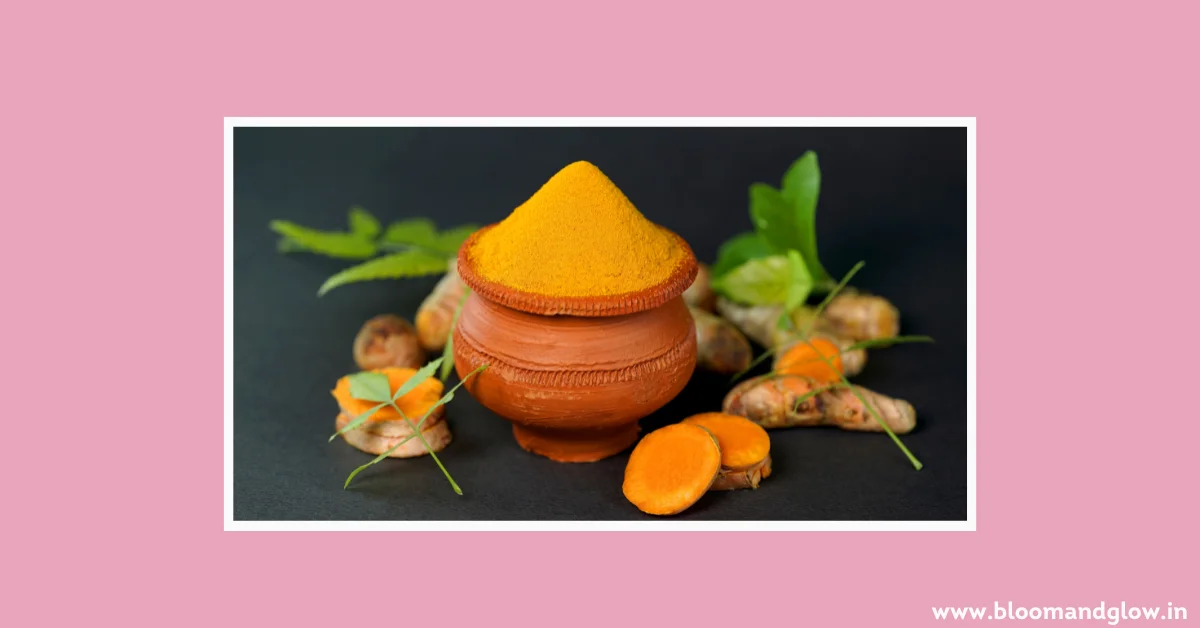
Here’s where turmeric can do wonders on your skin. Turmeric is not something new and has been around for many years and has been a part of every Indian household. The turmeric benefits for the skin can make a huge difference.
In this article we will see why turmeric is so popular today and included in today’s skincare routines? Let’s take a look.
What Makes Turmeric Special for Skin?
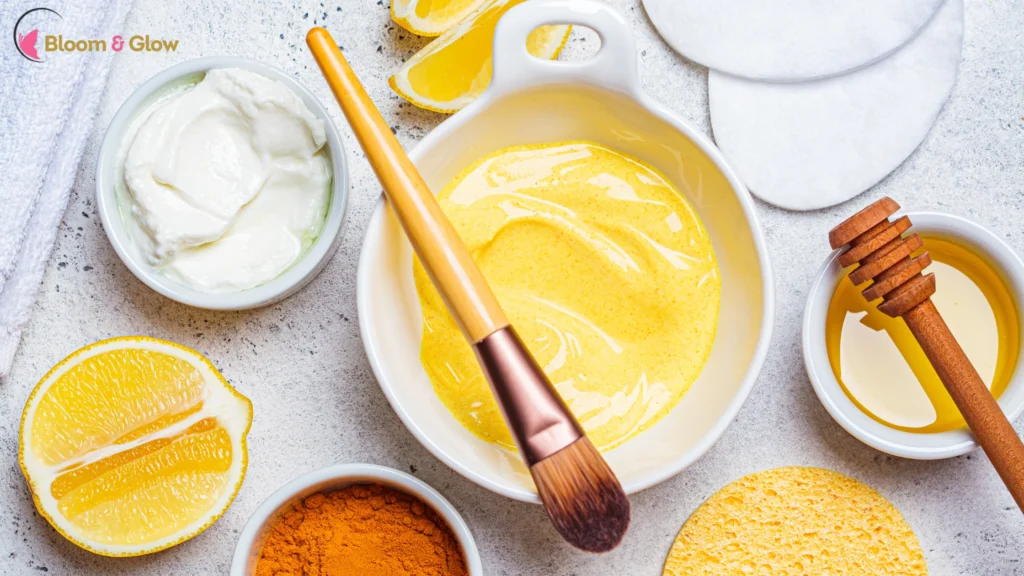
Turmeric contains a component known as curcumin, which is known to possess many special characteristics. Some of them include: Anti-inflammatory, Antioxidant, and Antimicrobial.
According to studies on curcumin, turmeric can reduce inflammation and oxidative stress in the body. The oxidative stress is known to contribute to premature signs of aging on the skin. Additionally, antioxidants have also been known to curb oxidative stress and thus prevent wrinkles and uneven skin tone.
These are the main reasons why people look to turmeric benefits for the skin when faced with a multitude of skin problems.
1. May Help Reduce Acne and Breakouts
Acne is often linked with inflammation and bacteria. As a result, the antimicrobial and anti-inflammatory properties present in turmeric help alleviate irritated skin.
A 2016 review in Phytotherapy Research, curcumin has the potential to manage inflammatory skin conditions. Though it is not a replacement for medical treatment, many people use turmeric masks to help soothe mild acne. Some of the benefits of turmeric mask are –
- Relieves redness
- Soothes pimple swellings
- Manages oil production with appropriate application
These properties make the product quite relevant for those with oily and acne-prone skin types.
2. May Improve Skin Brightness
One of the key turmeric benefits for skin is its ability to improve natural glow. Turmeric does not “whiten” the skin, but it may help in improving overall complexion by:
- Reducing dullness
- Supporting even skin tone
- Minimizing the appearance of dark spots over time
Antioxidants in turmeric help fight environmental stressors like pollution. According to global skincare reports, exposure to environment and pollution can increase pigmentation issues by nearly 20% in urban populations.
3. May Help With Hyperpigmentation
Hyperpigmentation is a condition that can be caused due to exposure to the sun, acne scars, and hormonal changes. According to research, curcumin can minimize the formation of excessive melanin, due to which it is generally applied in face, particularly to treat hyperpigmentation.
When discussing the turmeric benefits for skin, improving pigmentation is one of the most searched concerns.
4. May Help With Early Signs of Aging
Fine lines and wrinkles are some of the signs of aging and are often linked to oxidative damage and reduced collagen. Since antioxidants help neutralize free radicals, turmeric may indirectly support smoother-looking skin.
Research shows that oxidative stress is one of the primary reasons for 80% of visible skin aging caused by environmental factors. Turmeric is rich in antioxidants, which are commonly included in anti-aging skincare.
Different Forms of Turmeric
Turmeric is not just the bright yellow powder in your kitchen – it comes in multiple forms, each of which is used in different ways — in cooking, as supplements, in skincare, and traditional remedies. You can choose the right form of turmeric based on your needs –
1. Fresh Turmeric Root
Fresh turmeric root is the raw, unprocessed form of turmeric that looks similar to ginger but has a bright orange interior. It is widely used in cooking. However, considering its health benefits, it is used in –
- Juices and smoothies
- Herbal drinks
- Homemade face packs
- Cooking in certain regional dishes
Fresh turmeric contains natural oils and active compounds like curcumin. It is less processed, and hence many people use it in DIY skincare and wellness recipes.
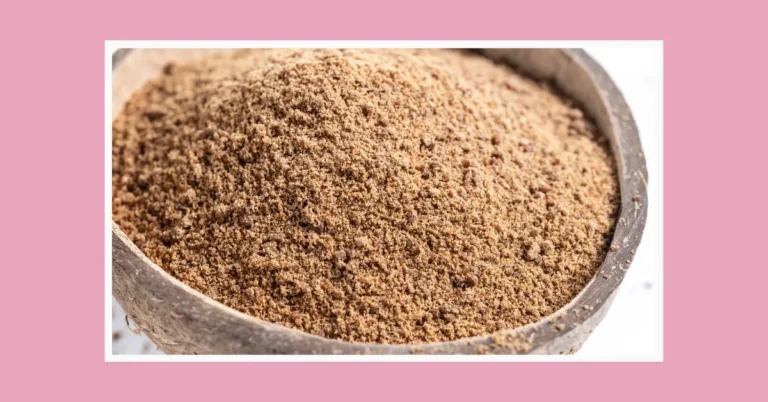
2. Turmeric Powder
Turmeric powder is created by drying the turmeric root and grinding it into a fine powder. It is used in:
- Cooking (curries, soups, rice)
- Face masks and homemade skincare
There is some discussion about the skin benefits of turmeric, and this is sometimes mentioned in relation to this powder, as it is inexpensive and can be mixed with honey, yogurt, and aloe vera.
3. Turmeric Capsules or Supplements
Turmeric capsules are in a concentrated form, also known as “curcumin supplements.” These are used as:
- Dietary supplements
- Anti-inflammatory agents
- Joint health supplements
Some supplements also contain black pepper extract, also known as piperine. Research has found piperine can increase curcumin absorption by 2000%. It also has health benefits for joint health, anti-aging, and weight loss.
4. Turmeric Essential Oil
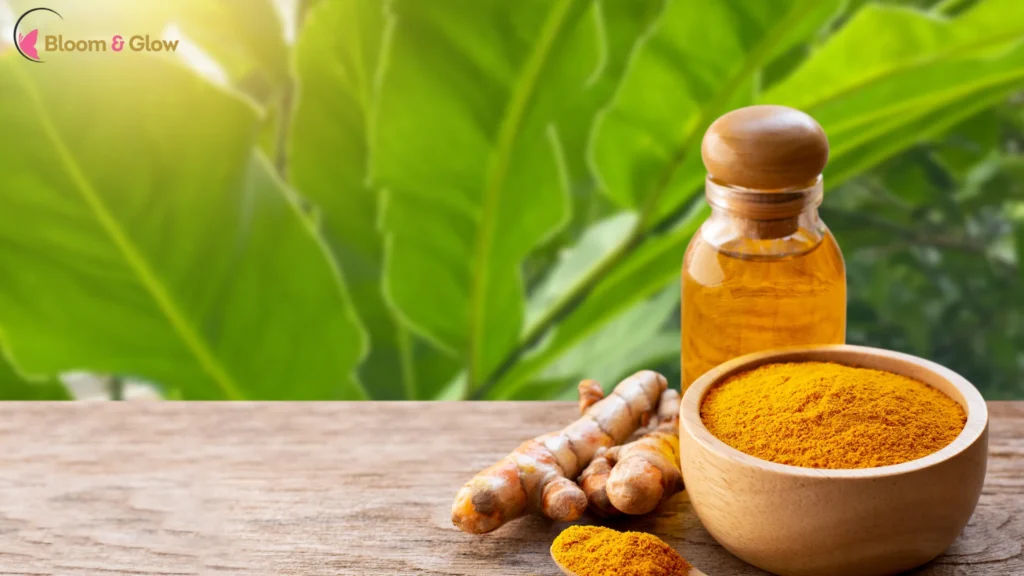
Turmeric essential oil is derived from the turmeric root using a process called steam distillation, which extracts the natural oils from the root and then distills them. This oil has more active compounds than any other form of turmeric. It should be used in small amounts and mixed with a carrier oil before applying to the skin. It is used in:
- Skincare formulations
- Massage oil (when mixed with a carrier oil)
- Aromatherapy
It is important to mix this oil with a carrier oil before applying to the skin.
Must Read – 6 Benefits of Turmeric Oil for Skin: Tips on How to Use Turmeric Oil
5. Turmeric Extract
Turmeric extract is in a more concentrated form, in which the active components, especially curcumin, are more concentrated. The curcumin content in regular turmeric powder is 2-5%, while in health supplements, the curcumin content is 95%. The amount used in skincare is carefully measured due to this high concentration. It is used in:
- Skincare products
- Functional beverages
- Supplements
As the concentration of the extract is so high, the amount used in skincare products is carefully calculated.
6. Wild Turmeric (Kasturi Manjal)
Kasturi Manjal, or Wild Turmeric, is mainly used in India for cosmetic and skincare purposes rather than for cooking. Though it belongs to the same family as normal turmeric, it is different from it in composition and smell and is mostly used for cosmetic and skincare purposes. It is used for:
- Face packs
- Skincare products
- Bridal ubtan recipes
Due to its long history of use for skincare, Kasturi Manjal is still one of the popular natural skincare products available for use.
Quick Comparison
| Form | Best For | Used Internally | Used Externally |
| Fresh Root | Juices & DIY masks | ✔ | ✔ |
| Powder | Cooking & face packs | ✔ | ✔ |
| Capsules | Supplements | ✔ | ✘ |
| Essential Oil | Skincare blends | ✘ | ✔ (diluted) |
| Extract | Serums & creams | ✔ | ✔ |
| Wild Turmeric | Face packs | ✘ | ✔ |
Turmeric is available in different forms, such as fresh roots and extracts. The form of turmeric you need depends on your requirement for cooking, cosmetics, or supplements.
For cosmetic use, people prefer powdered turmeric, wild turmeric, extracts, and turmeric oil. For supplements, fresh turmeric and supplements are preferred. Using the right form of turmeric is essential for achieving the best and safest results.
DIY Turmeric Recipes for Skin
If you want to use turmeric for your skin, you can easily make these DIY recipes at home. However, before applying these recipes, it is recommended that you first do a patch test.
1. Turmeric + Honey Face Mask (for Acne-Prone Skin)
Ingredients:
- ½ teaspoon turmeric powder
- 1 tablespoon raw honey
How to use:
How to use: Mix until smooth. Apply as a thin layer. Leave for 10-15 minutes. Rinse with lukewarm water. Honey provides moisture. Turmeric helps reduce inflammation.
2. Turmeric + Yogurt Mask (For Dull Skin)
Ingredients:
- ½ teaspoon of Turmeric
- 1 tablespoon of Yogurt
How to Use:
Mix and Apply evenly. Leave for 15 minutes. Rinse gently. Yogurt provides lactic acid that gently scrubs the skin.
3. Turmeric + Aloe Vera Gel (For Sensitive Skin)
Ingredients:
- A pinch of Turmeric
- 1 tablespoon of Aloe Vera Gel
How to use:
Mix. Apply. Good for people with sensitive skin. They can’t use stronger masks.
Must Read – 10 Amazing Besan and Turmeric Face Pack Benefits
Things to Keep in Mind
Turmeric for the skin is talked about a lot, but there are a few things to keep in mind:
- Turmeric can stain your skin yellow for a while.
- If you use too much turmeric, your skin will end up very dry.
- Always do a patch test.
- It’s not a cure for major skin diseases.
According to dermatologists, you should use less than 1 teaspoon of turmeric at a time.
Who Can Consider Using Turmeric?
Turmeric can be a good option for:
- People with mild acne.
- People with dull-looking skin.
- People who prefer to use natural skincare.
- People who prefer to use home remedies.
However, if you have very sensitive or allergy-prone skin, it is best to consult a dermatologist first.
Final Thoughts
Turmeric can be used for skincare because it has anti-inflammatory properties. Its antioxidants can prevent damage to your skin. Its antibacterial properties can cure infections. So, turmeric can be used in both modern and traditional skincare.
It may help with:
- Acne
- Dullness
- Pigmentation
- Early aging signs
- Mild irritation
Turmeric is not a magic pill, but it is a natural ingredient that is widely studied and has a long history of use in natural skin care products. It is definitely worth considering as part of your routine if you use it correctly and in moderation.
Must Read – 6 Natural Sandalwood Face Packs for Pimples and Tan Removal
Frequently Asked Question (FAQs) – Turmeric Benefits for Skin
1. What are the major turmeric benefits for skin?
Turmeric is said to have anti-inflammatory, antioxidant, and antimicrobial properties that reduce inflammation, calm mild skin issues, brighten your skin, and even tone it.
2. Can turmeric help with acne?
Yes, turmeric may help with mild acne because of its anti-inflammatory and antibacterial properties, which may reduce inflammation and soothe the skin, thus helping to reduce the redness and irritation associated with acne.
3. Does turmeric lighten the skin?
No, it does not change your natural skin color but does brighten your skin and even tone it.
4. How long does turmeric take to show results on skin?
This depends on your skin type and how long it takes for your skin to react. For some people, it takes 2-3 weeks with 1-2 applications per week.
5. Does turmeric remove dark spots?
Yes, it is said to reduce dark spots on your skin as it is known for its antioxidant properties that affect melanin.
6. Is turmeric safe for all skin types?
Yes, it is safe if you use it in small quantities. However, if you have sensitive skin, be careful as it stains yellow. Also, if you have allergies or skin issues, it is advisable to consult your dermatologist before using it.
7. Can I use turmeric on my face daily?
No, it is advisable to use it 1-2 times a week as a mask and not daily as it dries your skin.
8. What is the best way to use turmeric for skin?
There are different ways of using turmeric for different skin types. Some of these are:
- For acne-prone skin: Turmeric + honey
- For dull skin: Turmeric + yogurt
- For soothing skin: Turmeric + aloe vera
9. Does turmeric help with anti-aging?
One of the benefits of using turmeric for your skin is its potential for anti-aging. Turmeric is said to help prevent wrinkles and fine lines, making you look smoother and younger.
10. Can turmeric cause side effects on skin?
Possible effects include temporary yellow staining, mild irritation, and dryness.