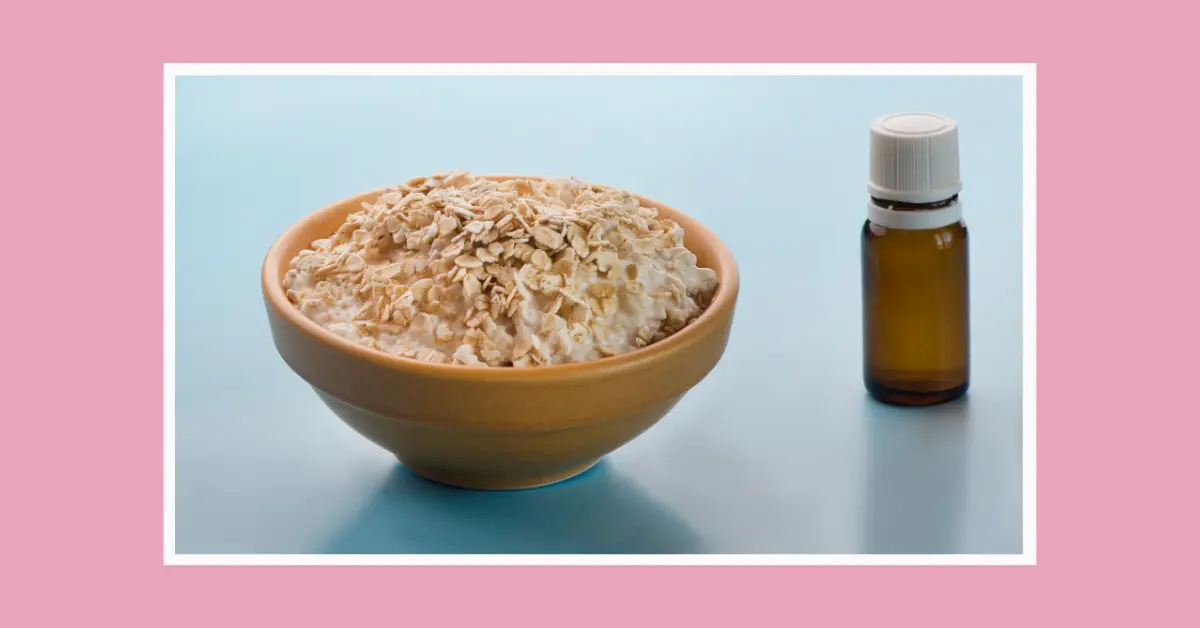
Sensitive and itchy facial skin has become more prevalent than ever before, especially in Indian weather conditions where the presence of heat, humidity, pollution, and hard water can constantly challenge the skin barrier. If you experience your facial skin feeling tight after washing, turning red easily, or experiencing random itching, it could mean that your skin barrier is compromised.
This is where the benefits of oatmeal for face come into play, and they can be incredibly effective. This common kitchen ingredient is actually one of the most reliable soothing agents in dermatology.
From reducing inflammation to repairing the skin barrier, oatmeal is a natural ingredient that has been scientifically proven to be effective without using any harsh chemicals.
Let’s take a closer look at how it works and why it should be a part of your skin care routine.
Why Oatmeal Is Good for Sensitive Facial Skin?
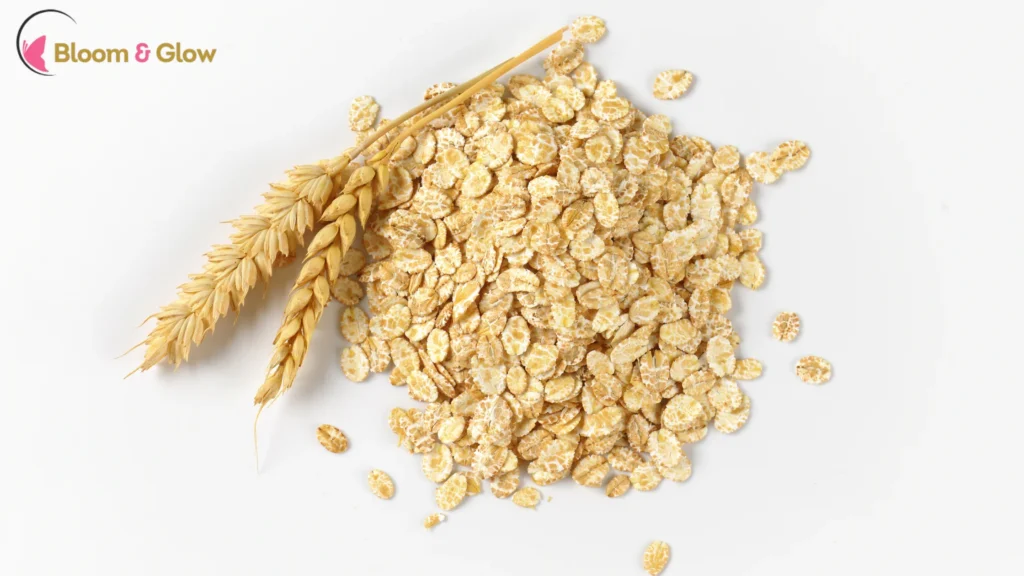
Oatmeal is effective because of its unique biological make-up. Unlike most natural ingredients that are only good for hydrating the skin’s surface, oatmeal contains biologically active compounds that can interact with the skin barrier directly.
One of its most valuable components is beta-glucan, a polysaccharide that can penetrate the outer layer of the skin and improve its ability to retain moisture. When the skin is irritated, it loses moisture quickly. Beta-glucan can slow down this process and make the skin feel more elastic and comfortable.
Another valuable component of oatmeal is avenanthramides, antioxidants that can only be found in oats. These compounds have been recognized for their anti-inflammatory and anti-itch properties. Studies have shown that they can reduce redness and inflammation caused by exposure to environmental stressors such as pollution and UV radiation.
Oats also have saponins, which are natural cleansers. Unlike harsh foaming agents, they gently remove dirt and oil without removing the protective lipids. This makes oatmeal particularly helpful for people using oatmeal in sensitive skin routines.
Colloidal oatmeal is often recommended by dermatologists for skin conditions like eczema because it creates a barrier that protects the skin from irritants while reducing inflammation.
Top Benefits of Oatmeal for Face
The benefits of oatmeal for face extend far beyond skin soothing. When used properly, oatmeal benefits both short-term relief and long-term skin health.
When your skin becomes irritated, your skin barrier (stratum corneum) becomes compromised. This increases the rate of transepidermal water loss (TEWL), which is the rate at which water evaporates from your skin. Studies have found that compromised skin can experience as much as 2–3 times the normal TEWL, resulting in dryness, tightness, and itching.
At the same time, your body’s inflammatory molecules, called cytokines (such as IL-1 and TNF-alpha), become overactive. This is what causes redness, burning, and itching.
Oatmeal is effective because it simultaneously repairs your skin barrier and reduces inflammation.
1. Forms a Protective Occlusive Layer
Colloidal oatmeal forms a thin layer on your skin. Clinical studies published in dermatology journals have found that this layer:
- Reduces TEWL
- Protects against irritants
- Improves moisture retention
In patients with eczema, using colloidal oatmeal products regularly resulted in a significant improvement in skin hydration in just 2 weeks.
2. Reduces Inflammatory Cytokines
Avenanthramides, the antioxidant compounds found only in oats, have been found to inhibit pro-inflammatory cytokines in lab studies. This means they reduce the chemical signals that cause redness and itching.
In a controlled study, avenanthramides decreased the intensity of itch by almost 50% in 24 hours in irritated skin models.
3. Restores Moisture Balance
Beta-glucan, a polysaccharide found in oats, diffuses into the epidermis and holds water. Studies show beta-glucan can increase hydration levels of the skin by as much as 20% with regular use over a period of weeks.
Beta-glucan helps retain moisture in the skin, unlike occlusives that merely sit on top of the skin.
4. Supports Lipid Barrier Repair
Oats have natural lipids that help replenish essential fatty acids in the skin barrier. A healthy lipid barrier prevents environmental irritants (air pollution, dust, UV rays) from entering the skin.
This is especially helpful in Indian cities where air pollution leads to oxidative stress and inflammation.
Active Compounds in Oatmeal – Scientific Breakdown
| Compound | Scientific Function | Evidence-Based Skin Benefit |
| Beta-glucan | Humectant & immune modulator | Improves hydration & barrier strength |
| Avenanthramides | Anti-inflammatory antioxidant | Reduces redness & itch response |
| Saponins | Natural surfactants | Gentle cleansing without stripping |
| Oat Lipids | Fatty acid replenishment | Repairs damaged barrier |
This multi-faceted approach is why oatmeal for face skin benefits are both immediate (soothing in minutes) and long-term (barrier repair in weeks).
Oatmeal for Itchy and Inflamed Skin – How It Works?
This makes the skin lose moisture and become more susceptible to allergens and pollutants. Oatmeal has several ways of helping your skin:
- It creates a protective barrier.
- It reduces inflammatory cytokines.
- It regulates moisture balance.
- It repairs lipid barriers.
Components and Their Functions
| Compound | Function | Skin Benefit |
| Beta-glucan | Deep hydration | Barrier repair |
| Avenanthramides | Anti-inflammatory | Reduces redness |
| Saponins | Mild cleansing | Non-stripping wash |
| Lipids | Nourishment | Prevents dryness |
This multi-layered action explains why the benefits of oatmeal for face are both immediate and cumulative.
How to Use Oatmeal on Face (DIY Remedies)?
For best results, dermatologists recommend colloidal oatmeal, which is finely milled to disperse evenly in water. Coarse kitchen oats can cause micro-tears if scrubbed harshly.
Basic Oatmeal Face Mask for Sensitive Skin
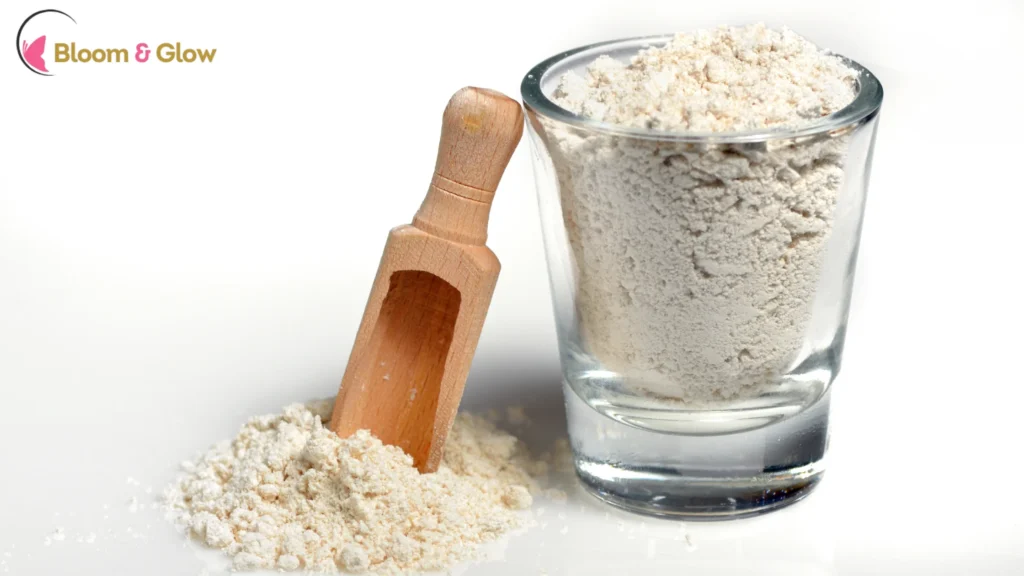
Mix 2 tablespoons of finely powdered oats with warm water to create a smooth paste. Apply evenly for 10–15 minutes.
Clinical dermatology guidelines suggest that 10–15 minutes is sufficient for barrier-coating benefits without drying the skin. Rinse with lukewarm water and moisturize immediately.
This method allows you to experience the classic oatmeal face mask benefits — hydration, redness reduction, and itch relief.
Oatmeal + Honey Mask
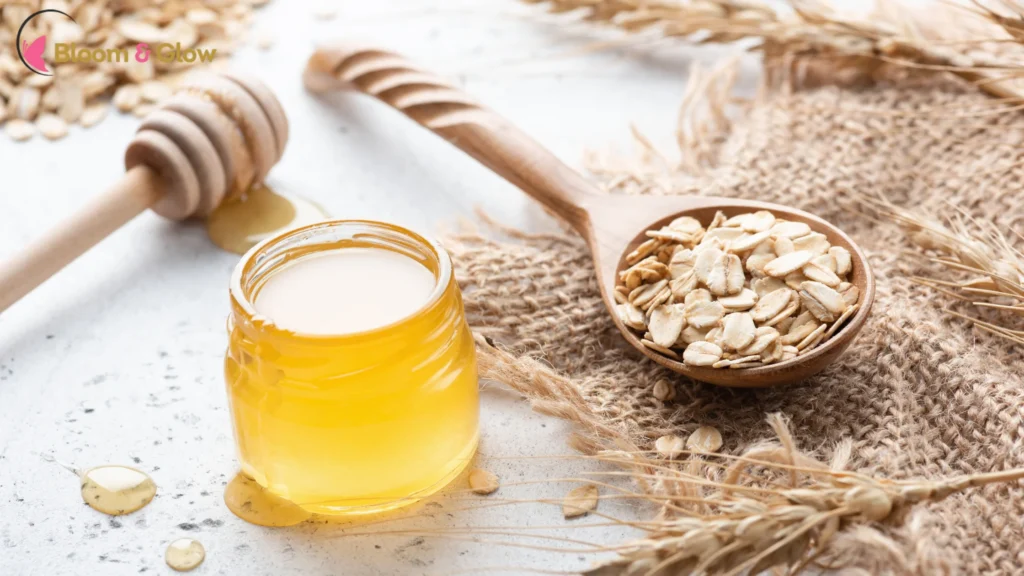
Honey contains natural antibacterial compounds and acts as a humectant. When combined with oatmeal, it enhances hydration while offering mild antimicrobial support.
Suitable for:
- Mild acne
- Dry, flaky skin
- Post-sun irritation
Oatmeal + Yogurt Calming Mask
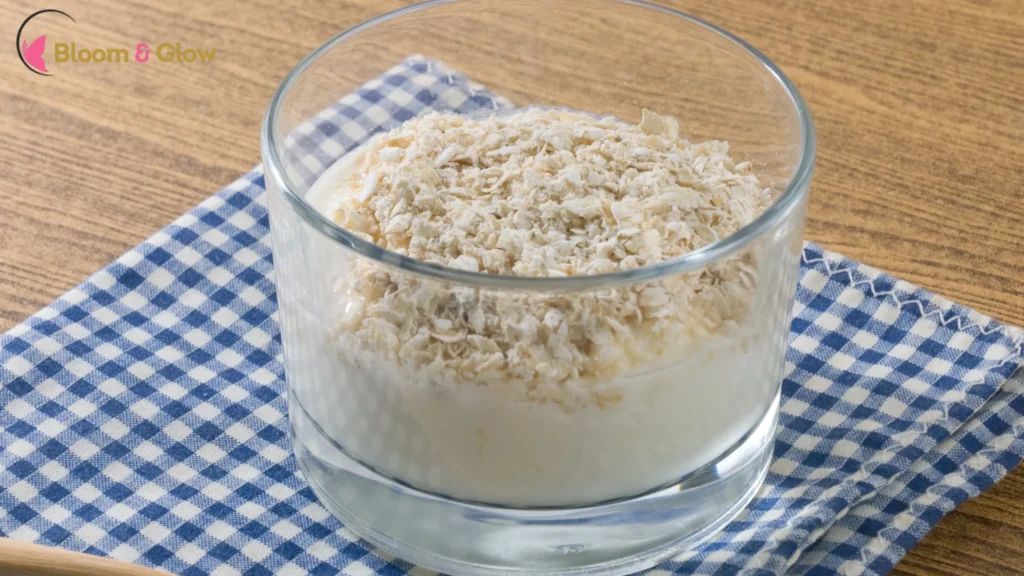
Yogurt contains lactic acid (an alpha hydroxy acid) at low concentrations. This provides gentle exfoliation while oatmeal offsets potential irritation.
This combination works well in humid climates where oil buildup contributes to dullness.
Colloidal Oatmeal Rinse
Adding colloidal oatmeal to water creates a soothing suspension that can reduce itch intensity within minutes. Studies show that oatmeal baths reduce eczema-related itch scores significantly after consistent use.
For facial use, splash gently and pat dry.
Must Read – Salicylic Acid vs Niacinamide: Which Is Better for Oily Skin?
Frequency Guide (Dermatology-Based Recommendation)
- Sensitive skin: 2 times weekly
- Oily skin: 1–2 times a week
- Dry skin: Up to 3 times a week
Daily use: Only in formulated colloidal oatmeal products.
Remember to do a patch test before applying a complete oatmeal face mask, especially if you have sensitive skin.
Oatmeal can be used in very simple yet effective ways. The trick is to use ground oats.
Is Oatmeal Good for Acne and Rosacea?
For acne-prone skin, oatmeal helps to reduce inflammation and excess oil. It doesn’t work for cystic acne but can be used to reduce redness around it.
For rosacea skin, oatmeal’s anti-inflammatory properties can help to reduce flare-ups. However, avoid exfoliating if your skin barrier is already severely damaged.
For extremely sensitive skin, it is best to consult a dermatologist before attempting any homemade remedy.
Oatmeal vs Other Natural Remedies for Skin Irritation
Many people turn to natural solutions, but not all are barrier-repair focused.
| Remedy | Strength | Limitation |
| Oatmeal | Barrier repair & itch relief | Needs fine grinding |
| Aloe Vera | Cooling & hydrating | May sting sensitive skin |
| Turmeric | Antibacterial | Can stain and irritate |
| Rice Water | Mild brightening | Limited soothing power |
Among the many natural remedies for skin irritation, oatmeal has the most well-rounded benefits of hydration, protection, and relief.
Oatmeal is more than just a popular ingredient in homemade remedies. It is one of the few natural remedies that dermatologists recommend. The benefits of oatmeal for the face are most apparent in skin types that experience sensitivity, dryness, and environmental irritation.
Must Read – Benefits of Cold Compress on Face: A Simple Fix for Puffiness, Redness, and Heat
Who Can Benefit the Most from Oatmeal?
If your skin stings when you apply new products, if it easily turns red, or if it reacts to changes in the weather, oatmeal can help calm your skin.
1. Sensitive and Reactive Skin
Sensitive skin usually has a compromised barrier, which results in higher transepidermal water loss (TEWL). Oatmeal helps repair the barrier through beta-glucan and natural lipids, which can help alleviate:
- Redness
- Burning sensation
- Tightness after cleansing
- Post-sun irritation
Since oatmeal is non-irritating and non-stripping, it is often used in cleansers for sensitive skin types.
2. Dry or Dehydrated Skin
Dry skin means that your skin lacks oil, while dehydrated skin means that it lacks water. Oatmeal can help with both conditions.
Beta-glucan helps improve water retention, while oat lipids help restore essential fatty acids in the skin barrier. Studies have shown that using colloidal oatmeal regularly can improve the hydration levels of the skin in 2 weeks.
Oatmeal can be particularly beneficial if your skin:
- Feels tight after washing
- Has flaky areas
- Looks dull and rough
- Gets worse in winter or air-conditioned environments
3. Pollution-Exposed Urban Skin
In Indian cities, pollution is a major source of oxidative stress and inflammation. Fine particulate matter (PM2.5) can even penetrate compromised skin and cause irritation.
Oatmeal has antioxidants such as avenanthramides that can counteract the effects of oxidative stress. Its film-forming properties can also reduce the penetration of environmental irritants.
If you live in areas with high pollution and experience:
- Frequent redness
- Uneven texture
- Sensitivity flare-ups
- Barrier damage from pollution
Oatmeal can be a soothing and protective reset button.
4. Mild Eczema-Prone Skin
Colloidal oatmeal is commonly found in products marketed for eczema and atopic dermatitis. It is used to relieve itching, moisturize, and protect.
According to clinical research, using colloidal oatmeal regularly can help alleviate the itching associated with eczema and also improve the skin barrier in people prone to eczema.
But if you have moderate to severe eczema, it is always best to consult a dermatologist before using oatmeal as the sole treatment.
5. Combination Skin Needing Balance
Combination skin can be a challenge, as it is both oily and dry at the same time.
Oatmeal is very effective in this case because it:
- Absorbs excess oil in the T-zone
- Moisturizes dry skin
- Gently exfoliates without drying the skin
Oatmeal balances the skin, unlike clay masks that tend to dry out the skin. It is particularly effective in humid climates where oily and sensitive skin coexist.
Who Should Be Cautious?
Although the uses of oatmeal for the face are numerous, it is not recommended for everyone.
Avoid oatmeal or consult your doctor if you:
- Have an oat or grain allergy that has been diagnosed
- Have open wounds or skin infections
- Notice increased itching or redness after application
Although oatmeal is considered safe for use, it is always best to perform a patch test before using it regularly. Apply a small amount to the area behind your ear or on the inside of your forearm and look for any reaction after 24 hours.
Suitability by Skin Type
| Skin Type | Suitable? | Why |
| Sensitive | Yes | Calms inflammation & strengthens barrier |
| Dry | Yes | Improves hydration & lipid repair |
| Oily | Yes (moderate use) | Absorbs excess oil without stripping |
| Acne-Prone | Yes (mild acne) | Reduces redness & irritation |
| Severe Eczema | With medical advice | Supportive but not standalone treatment |
| Oat Allergy | No | Risk of allergic reaction |
Dermatologist Insights on Oatmeal for Skin
Colloidal oatmeal is an accepted skin protectant by the FDA in the United States. Clinical evidence proves that it enhances skin barrier function and relieves itching in a matter of days.
Oatmeal-based cleansers and creams are commonly advised by dermatologists following chemical peeling and laser treatments due to their non-irritating properties.
This clinical endorsement further enhances the popularity of the benefits of oatmeal for the face as a DIY remedy.
Possible Side Effects and Precautions
While oatmeal is considered safe, improper usage may lead to mild side effects:
- Irritation from coarse particles
- Allergic reactions in oat-sensitive individuals
- Temporary skin tightness due to prolonged exposure
Always:
- Use finely ground oats
- Avoid rough rubbing
- Moisturize after rinsing
Quick Summary Table
| Benefit | How It Helps | Best For | Frequency |
| Soothes itching | Forms protective layer | Irritated skin | 2–3x/week |
| Reduces redness | Anti-inflammatory action | Rosacea-prone skin | 2x/week |
| Controls oil | Absorbs sebum | Oily skin | 1–2x/week |
| Hydrates | Locks moisture | Dry skin | 3x/week |
| Gentle exfoliation | Removes dead cells | Dull skin | 1x/week |
Must Read – Home Remedies to Reduce Facial Sweating Without Blocking Pores
Final Verdict – Are the Benefits of Oatmeal for Face Worth It?
Yes—especially if your skin feels reactive, itchy, or inflamed.
The benefits of oatmeal for face include soothing irritation, strengthening the barrier, reducing redness, and calming acne-prone skin—all without harsh ingredients.
In Indian environmental conditions where heat and pollution constantly challenge skin health, oatmeal offers a simple yet scientifically supported solution.
If you’re building a gentle skincare routine, consider incorporating oatmeal-based masks or cleansers. Pair it with barrier-supporting moisturizers and sunscreen for best results.
Frequently Asked Questions (FAQs) – Benefits of Oatmeal for Face
Can I use oatmeal on my face daily?
Colloidal oatmeal-based skincare products can be used on a daily basis. Homemade oatmeal masks should not be used more than 2–3 times a week.
Is oatmeal good for sensitive skin?
Yes. Oatmeal has anti-inflammatory properties that soothe and reduce irritation, making it ideal for people with sensitive skin.
Does oatmeal remove tan?
Oatmeal has a gentle exfoliating effect and brightens the skin but does not remove tan. Using sunscreen is a must to prevent tan.
Can oatmeal lighten skin?
Oatmeal does not have bleaching properties. It brightens the skin by reducing inflammation and removing dead cells.
How long should I leave oatmeal on my face?
An oatmeal face mask should be left on the face for 10–15 minutes. Rinse the face gently and apply moisturizer.
Is oatmeal good for acne?
Yes, for mild acne. It has anti-inflammatory properties and oil-absorbing properties but is not a replacement for acne medication.